Where the building meets the sky. The first thing to fail, and the source of nearly every water problem inside.
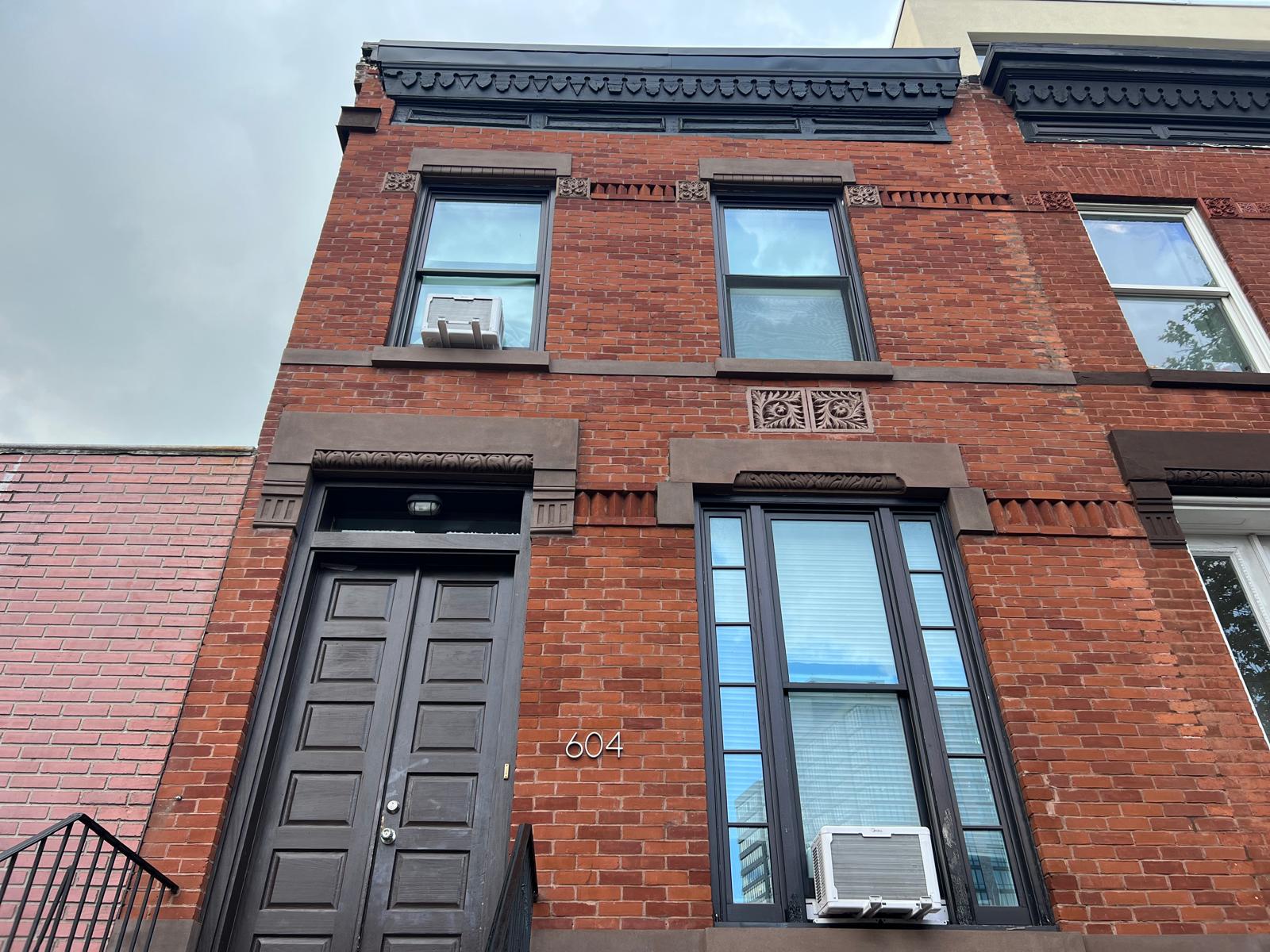
A brownstone cornice is the most exposed decorative element on the building. Most NYC row house cornices were built between 1865 and 1905, in three families: Italianate (large scroll brackets, dentils, deep crown molding — 1865-1885), Neo-Grec (incised geometric ornament, sharper profiles — 1875-1890), and Romanesque Revival (heavier corbelled brick or rough-faced stone — 1885-1900). Each cornice is unique, and replicating original detail requires both shop carving capability and an understanding of period profile conventions.
Beyond aesthetics, the cornice is where water enters the building. Failed cornice flashing, deteriorated mortar at the parapet, lifted membrane edges — all dump water down inside the wall cavity. The water shows up two floors below as a ceiling stain, and by then the damage to the masonry behind it is already substantial.
We restore decorative cornices to original detail. Missing modillions and scroll brackets are hand-cast or carved to match. We replace failed sheet metal cap flashing with new copper or terne-coated steel. Above the cornice, we install modern membrane roof systems — EPDM, TPO, or modified bitumen — integrated with the restored cornice details. The roof and cornice are one assembly, not two.
No black box. Here is the exact sequence we follow on every project, from first phone call to final inspection.
We document the existing cornice profile, identify missing or failed elements, inspect the existing roof membrane, and test the parapet for moisture infiltration and detached units.
Before fabricating replacement detail at scale, we produce a sample bracket or modillion in our shop for the homeowner (and the LPC, if applicable) to review.
Failed membrane and saturated insulation are removed. The roof deck is inspected for structural damage. Any rotted sheathing is replaced.
Failed parapet brick is rebuilt with NHL lime mortar. Cap stones are reset on full beds. Through-wall flashing is installed at the back of the parapet to direct any infiltrating water back outside.
We install fully-adhered EPDM, TPO, or modified bitumen — depending on the building, the budget, and the roof traffic expectations. All membrane terminations integrate with the restored cornice flashing.
Missing brackets, dentils, and pendant drops are hand-cast and installed. Crown moldings are profiled to match. Sheet metal cornices are repaired in place or rebuilt with new copper, fastened back to the original blocking.
All transitions — cornice to roof, parapet to membrane, scuppers and drains — are sealed with appropriate lap cements and flashing tapes rated for 25+ years.
Materials matter as much as workmanship. The wrong material can shorten a façade's life by decades.
The most common — and most expensive — mistakes we see on prior unsuccessful restoration work.
Cornice restoration depends heavily on scope. Spot repair of a few missing brackets and dentils on a Brooklyn brownstone runs $8,000-$20,000. A full cornice rebuild on a four-story building with new copper cap flashing typically runs $35,000-$75,000.
Technically yes, but it's usually a mistake. The cornice flashing and the roof membrane are a single weatherproofing assembly. Doing them in separate years means re-scaffolding and re-flashing the join, which costs more and creates a vulnerability.
A parapet wall is the brick or stone wall that extends above the roof line — typically 18-36 inches tall. It's part of the original façade and protects the roof edge. Most parapet failures show up as ceiling stains on the top floor; the water has migrated through failed brick mortar at the parapet and run down inside the wall cavity.
Yes. Any visible exterior work in an NYC historic district requires LPC review. For straight repair (same materials, same profile), a Permit for Minor Work usually applies. For replacement with new fabricated units, a Certificate of No Effect or Certificate of Appropriateness is typically required. We handle the filings.
Free on-site assessment. Written estimate within five business days. No fee, no obligation.